We are experiencing a temporary email outage. For anything urgent, please call 020 7692 5675

Call 020 7692 5675 Mon-Fri 8am-7pm

For immediate support email [email protected] 24/7

Overview

Alder surveyed 250 UK senior decision-makers with responsibility for risk across five high-scrutiny sectors: energy, health, law, life sciences, and private equity and venture capital.

Almost all UK senior decision-makers surveyed (94%) are confident their organisation would respond effectively to a major reputational incident. More than half (55%) are very confident.

The measures in place tell a different story. Only one in five UK organisations surveyed has a crisis communications plan. Fewer than a quarter have a board-level crisis escalation process or run scenario exercises.

The research also uncovered what we call the distance trap. The further someone sits from the detail of reputational risk management, the more confident they feel about it.

The key findings are set out below. The full data is available on request.

KEY FINDINGS

94%
are confident their organisation would handle a major reputational incident
20%
have a crisis communications plan
23%
have a board-level crisis escalation process
2.1
reputational risk mechanisms in place on average, from a list of ten

What is the distance trap?

The distance trap, identified in Alder’s 2026 reputational risk research, is the gap between how prepared senior leaders believe their organisation is and how much they know about the measures actually in place.

It shows up in two separate splits of the data: job role and ownership. In both, the most confident groups could name the fewest mechanisms for managing reputational risk.

Group Very confident in crisis response Mechanisms in place
(average, from a list of 10)
Publicly listed companies 75% 1.6
Generalist leaders (CEO, CFO, COO, MD) 66% 1.7
Specialist risk roles 43% 2.5
Privately owned companies 42% 2.5

Generalist leaders (CEOs, CFOs, COOs and managing directors) are also far more likely than specialists in risk roles (such as Chief Risk Officers and Heads of Risk) to say their board ranks reputational risk above most other strategic risks (71% against 45%).

Listed companies give reputational risk the most board attention. Over half (52%) discuss it at every board meeting and three quarters (75%) rank it above most other strategic risks. Yet only 16% have a board-level crisis escalation process.

Why does the distance trap matter?

The distance trap matters because the most confident group, CEOs, CFOs and other senior leaders, are the ones ultimately responsible when a crisis breaks. If they feel safest while knowing least about the plan, the organisation is more exposed than it looks.

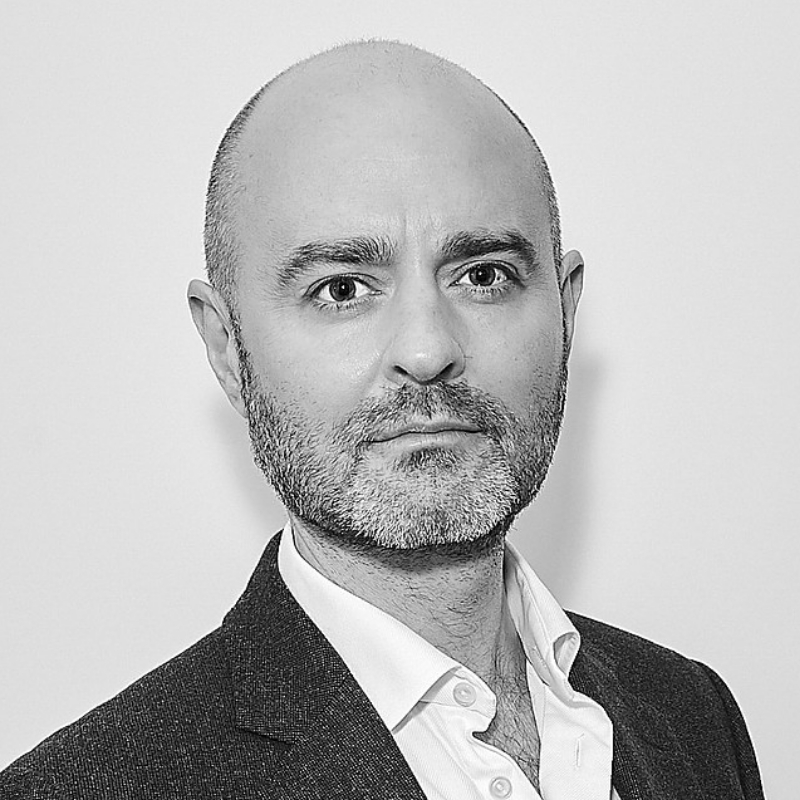
Tim Toulmin Managing Director

“The distance trap matters because it’s the senior leadership, not the risk team, that is ultimately responsible when a crisis breaks. If the people at the top are more confident than the people closest to the detail, that should be treated as a warning sign rather than a reassurance.”

Tim Toulmin – Managing Director, Alder

How do the five sectors compare?

We surveyed these five sectors because they operate in high-risk, heavily scrutinised environments, where a reputational incident can quickly become a regulatory, financial or legal problem.

Media enquiries

For more information about the data, or interviews with Tim Toulmin or other Alder spokespeople, contact Sam Burne James at [email protected] or on 07848 380 394.

Who took part in the research?

Alder's 2026 reputational risk research was conducted by Censuswide among 250 UK senior decision-makers with responsibility for risk. The sample comprised 50 respondents in each of the energy, health, law, life sciences, and private equity and venture capital sectors. The data was collected between 14 and 21 August 2026.

Generalist roles are CEO, CFO, COO and Managing Director (129 respondents). Specialist roles are all other risk-related roles, including Chief Risk Officer, Chief Information Security Officer and Head of Risk (121 respondents). The listed and private comparison is based on 111 publicly listed and 117 privately owned companies. The remaining 22 respondents work in the public sector (21) or for a charity (1) and are not included in that comparison. Mechanism averages count how many options respondents selected from a list of ten.

Get in touch

How can we help?

Alder is a reputation, risk and crisis advisory consultancy, ranked by Chambers and Partners in Crisis & Risk Management. We work with boards and leadership teams in high-scrutiny sectors to test their assumptions, close the gaps and respond well when something goes wrong.

Get in touch

Frequently Asked Questions

What is reputational risk?

Reputational risk is the risk that an event, decision or behaviour damages how an organisation is seen by the people it depends on, including clients, investors, regulators, employees and the public. That damage can affect revenue, valuation, regulatory standing and the ability to recruit.

How prepared are UK organisations for a reputational crisis?

Most believe they are well prepared. In Alder’s 2026 research, 94% of senior decision-makers were confident their organisation would respond effectively to a major reputational incident. Only 20% had a crisis communications plan and 23% had a board-level crisis escalation process. On average, organisations had 2.1 of ten common mechanisms in place.

How can boards avoid the distance trap?

Boards can start by asking their risk team what is actually in place and when it was last tested. From there, the steps are practical: agree one definition of reputational risk and apply it consistently, name a clear owner, set a board-level escalation process, and rehearse it at least once a year.

If you would like to discuss the findings or test your own organisation’s readiness, contact our team on 020 7692 5675.

Request the full data

The full data from Alder’s 2026 reputational risk research is available on request, including breakdowns by sector, job role and company type. To see the full data set, email [email protected].